

Camping Gear: 12 Essentials for a Camping Trip
Camping Trip Preparation
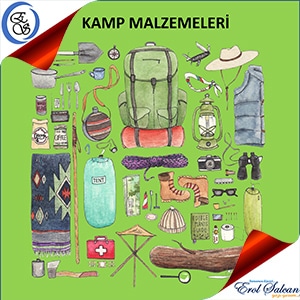
Camping Gear is one of the most important parts of a comfortable and safe outdoor holiday.
A camping trip is a great opportunity to spend time in nature, reduce stress, and enjoy a simpler lifestyle for a while.
Especially today, city life can be exhausting on its own.
Traffic, noise, screens, work pressure, and endless daily routines can make people feel trapped.
That is why camping can be a refreshing break for both the body and the mind.
However, a good outdoor experience depends heavily on preparation.
Going into nature without the right equipment may quickly turn a peaceful holiday into a survival-themed comedy episode.
For this reason, it is useful to prepare a practical camping checklist before leaving home.
This article explains the main materials you may need for a safer, cleaner, and more enjoyable camping experience.
You can also read more travel-related articles in the travel section of my website.
For responsible outdoor behavior, you can also review the principles shared by Leave No Trace.
Decisions to Make Before Choosing Equipment
Before preparing your bags, you should first decide what kind of camping experience you want.
The equipment needed for a forest camp may be different from what you need near a lake, sea, or river.
A summer camp and a winter camp also require different planning.
The same applies to mountain areas, coastal regions, organized facilities, and remote natural locations.
Each environment has different weather conditions, risks, comfort levels, and access opportunities.
That is why the first step is not buying everything you see online.
The first step is understanding where you are going and what you will actually need there.
-
Region and Facility Choice
The region you choose determines many of your needs.
If you are going to a developed camping facility, you may have access to toilets, showers, electricity, clean water, and market services.
If you are planning a more remote trip, you may need to be much more self-sufficient.
In that case, water storage, lighting, food preparation, navigation, and safety become more important.
You should also check whether fires are allowed, whether there are wild animals nearby, and whether the area has phone signal.
These details may look small at first, but they can make a big difference once you are there.
-
Transportation Planning
After choosing the region, transportation should be planned carefully.
Will you go by car, motorcycle, bicycle, public transport, or on foot?
This decision directly affects what you can carry.
If you travel by car, you can bring more comfort items.
If you hike to the campsite, every extra item becomes a small personal enemy after a few kilometers.
Seasonal conditions also matter.
If you travel in winter with your own vehicle, winter maintenance, snow tires, chains, and emergency tools may be necessary.
In short, your route, season, and transportation method should shape your equipment plan.
Camping Gear List
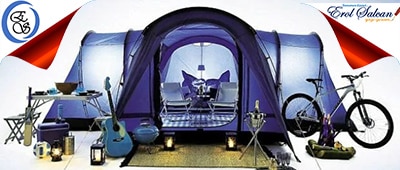
Although every trip is different, some basic supplies are useful for almost every outdoor plan.
The following list includes essential categories that can help you prepare more consciously.
-
Sleeping Gear
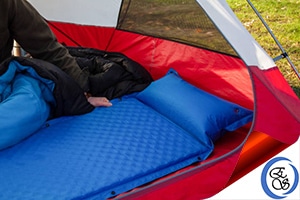
Sleeping gear is one of the first categories you should prepare.
A tent, sleeping bag, sleeping mat, pillow, and suitable ground insulation can make your night much more comfortable.
Good sleep is not a luxury during camping.
It affects your energy, mood, safety, and ability to enjoy the next day.
The sleeping bag should be suitable for the season and expected temperature.
A summer sleeping bag may not protect you enough during a cold mountain night.
A sleeping mat also helps protect your body from cold ground and uneven surfaces.
Without it, you may wake up feeling like you had a wrestling match with the earth.
-
Tent and Shelter Materials
Your shelter is your temporary home outdoors.
A reliable tent protects you from wind, rain, insects, and sudden weather changes.
When choosing a tent, consider the number of people, season, weight, waterproof rating, ventilation, and setup difficulty.
A tent that looks beautiful in product photos may become annoying if it takes forty minutes and three arguments to set up.
You may also need a groundsheet, extra stakes, rope, repair patches, and a rain cover.
These small items can be very useful when weather conditions change unexpectedly.
-
Cooking Equipment
Cooking equipment is essential if you plan to prepare your own meals outdoors.
A portable stove, gas cartridge, lighter, matches, cooking pot, pan, kettle, knife, cutting board, plate, cup, and utensils may be needed.
Food storage containers are also useful for keeping ingredients clean and organized.
Simple meals are usually better for camping.
You do not need to recreate a restaurant kitchen in the forest.
Still, hot tea or a warm meal can feel almost magical after a long day outside.
Do not forget to check fire safety rules in the area.
Some regions may ban open fires during dry seasons because of wildfire risk.
-
Food and Storage Supplies
Food planning should match the length and type of your trip.
Dry foods, canned products, nuts, energy bars, pasta, rice, tea, coffee, and easy-to-cook meals are practical options.
If you bring perishable food, a cooler box or insulated bag may be necessary.
You should also protect food from insects and animals.
Leaving food open around the tent is not a great idea.
Nature has many residents, and some of them are very interested in your snacks.
Plan your portions carefully to avoid carrying unnecessary weight.
At the same time, bring a little extra food in case your return is delayed.
-
Clothing and Personal Items
Clothing should be selected according to season, weather, and activity level.
Layered clothing is usually the safest approach.
A breathable base layer, insulating middle layer, and waterproof outer layer can help you adapt to changing conditions.
You may also need spare socks, underwear, hat, gloves, sunglasses, raincoat, and comfortable shoes.
Personal hygiene items should not be forgotten either.
Toothbrush, toothpaste, towel, wet wipes, biodegradable soap, sunscreen, and insect repellent can improve comfort significantly.
A simple personal care kit can save the trip from turning into “day three of wilderness smell.”
-
First Aid Kit
A first aid kit is one of the most important items to carry.
Minor cuts, burns, insect bites, sprains, headaches, allergies, and stomach problems can happen during camping.
Your kit may include bandages, antiseptic solution, gauze, medical tape, pain reliever, allergy medicine, burn cream, tweezers, and personal medications.
It is also useful to know basic first aid before going outdoors.
For general emergency preparedness, you can review the outdoor and first aid guidance shared by the American Red Cross.
Having the materials is good, but knowing how to use them is better.
Otherwise, the first aid kit becomes a small box of confidence with unclear instructions.
-
Lighting and Power Supplies
Lighting becomes very important after sunset.
A flashlight, headlamp, lantern, spare batteries, power bank, and solar charger can be useful.
A headlamp is especially practical because it keeps your hands free.
This is helpful when cooking, setting up a tent, walking at night, or looking for something inside your bag.
Do not rely only on your phone flashlight.
Phone batteries have a talent for dying exactly when you need them most.
For longer trips, power management should be planned carefully.
-
Water Supplies
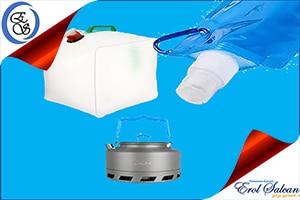
Water is one of the most critical needs during camping.
You can carry water bottles, water bags, or larger storage containers depending on your plan.
If you are not sure about clean water access, a water filter, purification tablets, or boiling container may be necessary.
Never assume that every natural water source is safe to drink.
Clear water can still contain harmful microorganisms.
It may look innocent, but nature does not provide a laboratory report with every stream.
For hot weather or active routes, water planning becomes even more important.
-
Navigation Tools
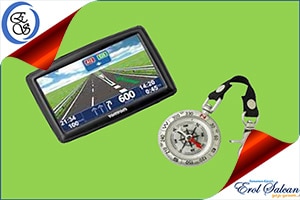
Navigation tools help you avoid getting lost in nature.
A map, compass, GPS device, offline phone map, and route notes can be very useful.
Even if you use a phone application, it is wise to download offline maps before leaving.
Signal may disappear in forested, mountainous, or remote areas.
A paper map and compass may look old-fashioned, but they do not care about battery percentage.
Before starting your route, inform someone about where you are going and when you expect to return.
This simple habit can be very important in emergencies.
-
Tools and Repair Materials
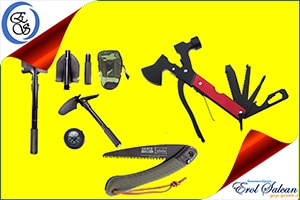
Basic tools can solve many small problems during camping.
A multi-tool, rope, duct tape, screwdriver, pliers, knife, spare tent stakes, repair kit, small axe, and saw may be useful depending on the area.
If you travel by car, you may also need a tow rope, wheel wrench, tire repair kit, jack, fuel container, spare bulbs, and emergency equipment.
The goal is not to carry an entire workshop.
The goal is to be ready for common problems that may interrupt your trip.
A small repair kit can save a tent, bag, stove, shoe, or vehicle-related plan.
-
Entertainment and Outdoor Activities

Camping is not only about preparation and survival.
It is also about enjoying the moment.
You may bring a book, magazine, playing cards, ball, bicycle, fishing materials, canoe equipment, camera, or other outdoor games.
The best entertainment depends on the location and your personal interests.
Some people want silence and a book.
Some people want music, games, and activity.
Both are fine as long as you respect nature and other campers.
After all, nobody goes into the forest to hear someone else’s portable speaker fighting for dominance with the birds.
-
Trash Bags and Nature Protection
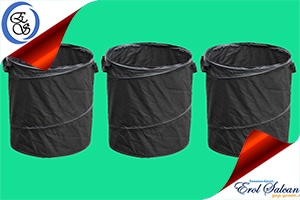
Trash bags are essential for protecting nature.
Every camper should leave the area as clean as possible.
Food packaging, bottles, wet wipes, plastic bags, and other waste should never be left outdoors.
Even organic waste can disturb wildlife and damage the natural balance.
The basic rule is simple: what you bring with you should leave with you.
This is one of the clearest signs of respect for nature and other people.
Camping is beautiful because nature is beautiful.
Leaving trash behind is basically saying, “I enjoyed this place, so I decided to ruin it for the next person.”
Camping Gear: Final Checklist and Conclusion
A good camping trip requires careful preparation, but this does not mean carrying everything you own.
The right approach is to choose equipment according to the destination, season, transportation method, duration, and personal needs.
Sleeping equipment, shelter, food, water, lighting, safety materials, navigation support, repair tools, and waste bags are among the most important categories.
Personal preferences can also be added after the basic needs are covered.
Before leaving, it is useful to check weather conditions, road status, campsite rules, fire restrictions, and emergency contact options.
You should also inform someone about your route if you are going to a remote area.
In short, Camping Gear should support comfort, safety, cleanliness, and respect for nature.
With the right preparation, camping can become one of the most enjoyable ways to relax and reconnect with the outdoors.
I hope this article gives you a useful starting point.
I also plan to share campsite recommendations in the future.
If you have suggestions about this topic, I would be happy to read your comments.
Respectfully,