Safety Management System: 4 Components
The aviation industry is subject to strict rules and regulations.
It is also a sector that requires a high level of technical knowledge, discipline, and operational awareness.
Flight safety is one of the most important priorities in aviation, maybe even the most important one.
For this reason, aviation organizations must take various measures to maintain safe operations.
One of these measures is the Safety Management System, also known as SMS.
A Safety Management System is designed to identify, analyze, control, and reduce flight safety risks in the aviation industry.
This system helps aviation companies and organizations manage the risks they may face during flight operations.
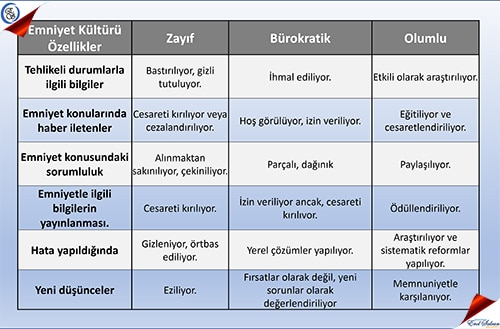
SMS is also an important tool for building a strong safety culture.
Aviation companies should not see safety only as a target.
They should turn it into a culture shared by all employees.
This is also what aviation authorities expect from organizations.
SMS Aviation Content and Main Features
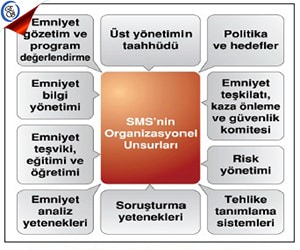
SMS aviation practices include specific steps and procedures that can be applied by aviation businesses, aviation authorities, and related stakeholders.
These stakeholders may include airlines, airport operators, ground handling companies, and similar organizations.
The system includes processes such as identifying, evaluating, and managing operational risks.
One of the main features of SMS is that it allows organizations to develop their own risk management systems.
These systems help aviation businesses identify, analyze, evaluate, and manage possible hazards.
SMS also allows organizations to monitor and improve safety performance continuously.
Implementing SMS in Aviation Organizations
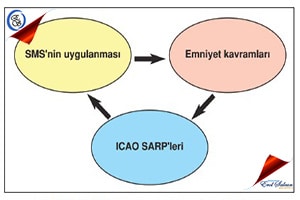
Implementing SMS provides many benefits for aviation organizations.
However, the implementation process may also bring certain challenges.
These challenges may include cost, personnel training, procedure development, and the actual application of those procedures.
This is where the well-known “2P dilemma” becomes important.
SMS implementation includes several practical steps.
These steps involve identifying risks, analyzing them, evaluating their possible effects, defining procedures, and monitoring safety performance.
Safety Risk Management: Identifying Hazards
Safety risk management starts with identifying hazards.
Aviation organizations use different methods to detect risks in their operations.
These risks may be physical, operational, financial, or related to human factors.
Risk identification is not a paper exercise.
It is one of the basic requirements for maintaining safe and controlled operations.
Risk Analysis and Evaluation
After risks are identified, they must be analyzed and evaluated.
During this process, aviation organizations consider possible consequences, frequency, and severity.
This analysis gives organizations the chance to identify risks before they turn into serious events.
Risk Assessment Examples
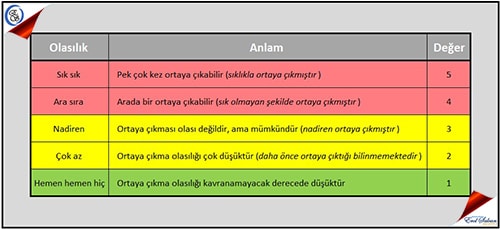
This table is a simple safety risk probability table commonly used in aviation.
It shows categories related to the probability of hazard consequences and the values assigned to each category.
Aviation organizations can adapt this table according to their own operational needs.
After determining probability, organizations should also evaluate the severity of hazard consequences.
Severity levels should be assessed according to the safety risk severity tables created by the organization.
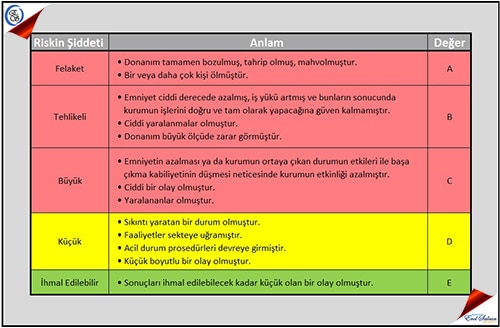
To decide whether hazard consequences are acceptable, a general safety risk evaluation is required.
For this purpose, a safety risk assessment matrix can be created.
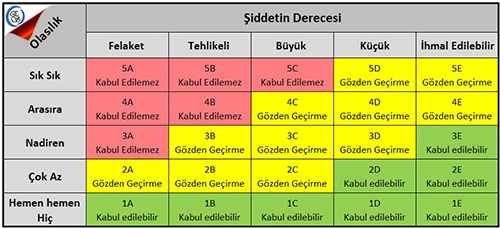
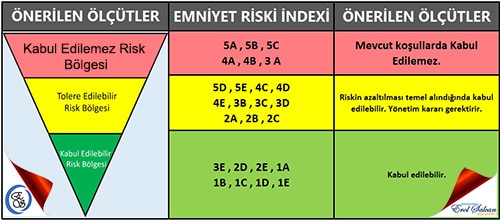
Finally, probability and severity data can be combined into a safety risk tolerability matrix.
By creating and improving these matrices, aviation organizations can control and reduce risks in their operating environment.
Procedures and the 2P Dilemma
After risks are identified and analyzed, aviation organizations create a framework for procedures.
These procedures define the standards required to conduct operations safely.
The 2P Dilemma
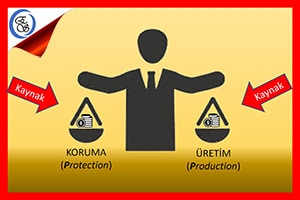
Aviation companies are commercial organizations like many other businesses.
Their main purpose includes profitability.
Therefore, while building safety culture and safety policies, they must also consider financial sustainability.
Otherwise, the company may face serious financial weakness or even bankruptcy.
As a result, production and protection often appear as two competing factors.
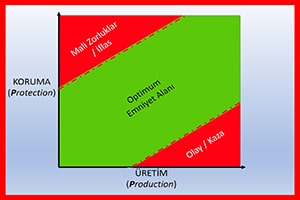
The correct approach is not to see them as a road split.
The real goal is to integrate both through an optimum balance.
SMS can guide organizations in this area through its risk management approach.
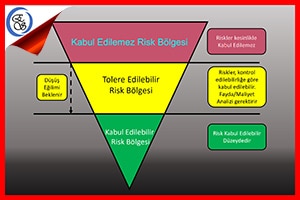
Risks can be categorized as tolerable, acceptable, or unacceptable.
Resources can then be managed according to this classification.
Still, a risk level that may be acceptable in another sector can be completely intolerable in aviation.
Safety Assurance and Performance Monitoring
Safety assurance provides a framework for monitoring and evaluating safety performance.
Through this process, aviation organizations continuously follow their safety results and prepare reports.
These reports help organizations identify the actions needed to improve performance.
Monitoring is not just about collecting data.
It is about turning data into better decisions.
Potential Benefits of SMS
SMS can provide many potential benefits for the aviation sector.
Some of these benefits include:
- Reducing flight safety risks
- Creating a stronger safety culture
- Supporting compliance with legal regulations
- Improving safety performance in aviation organizations
- Increasing personnel training and awareness
- Monitoring and improving performance through data collection and analysis
SMS is considered an important step for maintaining flight safety in aviation.
Aviation organizations should select proper tools and methods to identify, analyze, control, and reduce risks.
They should also give serious importance to personnel training and awareness.
The approach should not be “we gave the training, the issue is solved.”
Organizations need methods and policies that encourage real participation from personnel.
Safety Management System Components
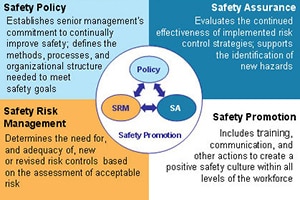
After all these explanations, we can summarize the four main components of SMS.
A Safety Management System includes four basic components for managing safety in aviation.
1. Safety Policies and Objectives
Safety policies and objectives reflect an organization’s safety culture.
They also define strategies created to improve safety performance.
This component is determined by organizational leadership.
It provides a framework that all employees should understand and apply.
2. Safety Risk Management
This component helps an organization identify, analyze, and manage risks.
It allows the organization to improve safety performance by detecting risks in advance.
For example, an airline may conduct risk analyses and take preventive actions for possible hazards.
An airport may employ specially trained personnel for dangerous cargo and baggage processes.
3. Safety Assurance
This component creates a framework for monitoring and evaluating safety performance.
It allows organizations to follow their performance continuously.
It also supports corrective actions when needed.
For example, an airline may regularly review flight records, maintenance records, and other operational data.
4. Safety Promotion
Safety promotion supports the development of safety culture within an organization.
It may include training, communication, awareness activities, and incentive systems.
This component helps employees improve their safety awareness and performance.
For example, an aviation company may reward employees who participate in safety training.
An airport may also evaluate employee suggestions on safety issues and reward successful contributions.
These four components work together.
Safety policies, risk management, and assurance support the development of aviation safety culture.
Promotion helps employees become active participants in the system.
How Safety Approaches Changed Over Time
The concept of SMS was introduced to the aviation sector by the International Civil Aviation Organization, also known as ICAO.
However, similar management system approaches had already been used in other industries for many years.
Today, many aviation organizations apply SMS standards to improve safe operations.
In the early years of aviation, safety management was not yet a developed concept.
When accidents occurred, they were often linked to individual mistakes or equipment failures.
In the 1920s, aviation organizations started developing simple methods and procedures to reduce flight risks.
In the 1950s, airlines created more detailed procedures and training programs related to flight safety.
In the 1970s, safety management systems became more common across the industry.
After the September 11 attacks, aviation safety approaches changed once again.
The sector focused more strongly on regulations, procedures, and operational control.
Today, aviation organizations continue to improve SMS practices with more advanced methods and technologies.
Safety Management System: Conclusion

The Safety Management System offers many advantages for improving safety in aviation.
It helps aviation businesses identify, analyze, evaluate, and manage risks.
It also supports continuous monitoring and improvement of safety performance.
When applied correctly, SMS helps make the aviation sector safer.
For this reason, it should not be treated as a document folder prepared only for audits.
It should be a living system that is understood, used, and improved by the whole organization.
Sources:
- SHGM
- ICAO
- FAA
I hope it was useful…
Respectfully,